A brighter, cleaner-looking smile can often be achieved with professional teeth whitening treatment, but keeping teeth bright afterwards often depends on the habits that follow. Many people focus solely on whitening products and overlook one of the biggest factors behind long-lasting results — their daily diet Cambridge.
The way your teeth look depends on how you eat and drink. Some foods aid in maintaining a more spotless, fresher, brighter smile, while others slowly stain the enamel like wine in a coffee-stained cup, making those whitening effects seem lacklustre over time. The good news is that just losing some of those daily eating habits in little ways can prolong the brightness of that smile.
Why Diet Matters After Teeth Whitening
Whitening procedures operate by removing pigments from the dental enamel. Upon whitening, teeth are more porous temporarily so that dark pigments from food and drinks can easily seep into the fibres of your tooth enamel. The Lasting Brightness: How Long Does Laser Teeth Whitening Really Last?
This does not mean that you live in total abstinence from all the foods that give you joy. That just means being more mindful about how everyday choices impact your smile. Since most people wish to gradually maintain their whitening outcomes pre- or post-whitening treatment without feeling limited, a balanced approach is usually the proper path.
Some foods have strong colour pigments, acids or tannins which make them more likely to stain. Some others naturally support oral health by cleaning the teeth or encourage saliva burst.

Eat for a Whiter Smile: The Foods That Help Teeth Stay Bright
Some foods can actually support a cleaner and brighter-looking smile naturally.
Crunchy Fruits and Vegetables
Foods with a crisp texture may help remove surface debris while chewing. Apples, celery, cucumbers, and carrots can gently clean the teeth and encourage saliva production, which helps wash away food particles.
Dairy Products
Cheese, yoghurt, and milk contain calcium and phosphorus, which support healthy enamel. Strong enamel is less likely to hold onto stains compared to weakened enamel.
Cheese may also help neutralise acids in the mouth after meals.
Leafy Greens
Vegetables such as spinach, kale, and lettuce are rich in vitamins and minerals that support better oral health. Their high fibre content can also encourage more chewing and saliva flow. Whitening Without Woe: How to Prevent Teeth Sensitivity After Treatments
Water
Drinking enough water can help support the appearance of whiter teeth over time. Drinking water after meals or coffee can help rinse away pigments before they settle onto the enamel.
Strawberries and Pineapple
These fruits are often cited in conversations about natural whitening because they contain enzymes and acids that may help remove some superficial staining. But too much of a good thing can also be bad because the enamel is indeed affected by this type of food.
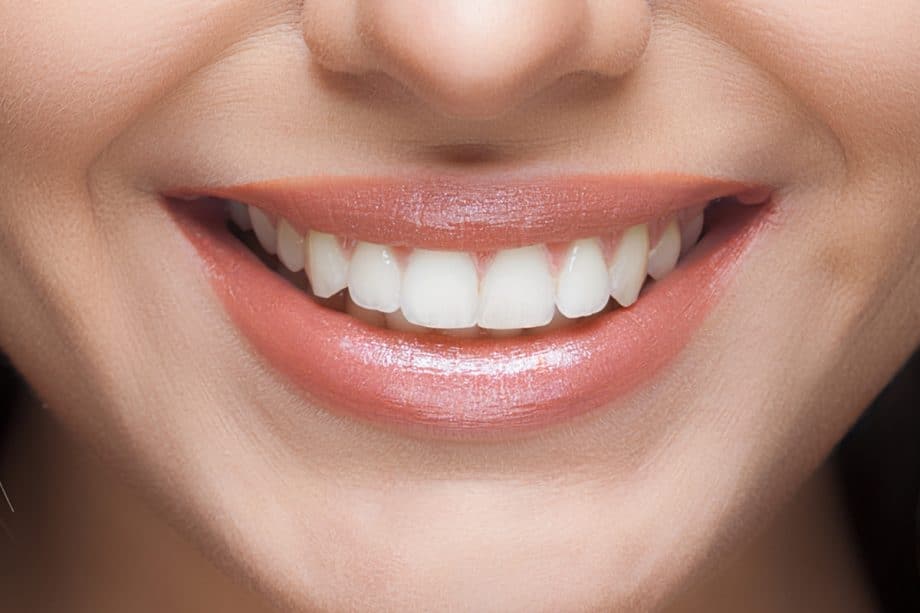
Beyond Whitening: How Your Daily Diet Affects Long-Term Smile Brightness
Most common daily habits affect tooth colour slowly, and people are not aware of this Cambridge.
Constant snacking, carbonated drinks, acidic foods, and dark beverages can prompt progressive staining. In many cases, it isn’t one food in particular – it’s repeated exposure over time.
This is the case, for example, when drinking tea throughout the day unsweetened, which will cause more staining in some people than one cup with a meal. Just like acidic beverages such as soda can erode enamel, making staining more extreme.
Smoking and tobacco products used are significant sources of staining and can eliminate the whitening effect within a few weeks.
Generally, long-term smile brightness is consistent. That often makes the biggest difference — good oral hygiene + eating mindfully. The Vital Link: How Oral Health Shapes Your Overall Wellbeing
The Teeth Whitening Diet: What to Eat and Avoid for Lasting Results
Foods and Drinks That Commonly Cause Staining
Some items are well known for affecting tooth colour.
- Coffee and Tea: Both contain tannins that can cling to enamel and create yellow or brown staining over time.
- Red Wine: Dark pigments and acidity make red wine one of the more common causes of staining.
- Fizzy Drinks: Coloured soft drinks contain acids and dyes that may affect enamel and contribute to discolouration.
- Tomato-Based Sauces: Pasta sauces, curries, and heavily coloured dishes may stain teeth when consumed frequently.
- Soy Sauce and Balsamic Vinegar: Dark condiments can also leave stains on the enamel surface.
Tips to Reduce Staining Without Giving Everything Up
A perfect smile does not mean more than strict avoidance.
- Drink water after dark beverages
- So use a straw for iced coffee and fizzy drinks.
- Wait a little before brushing after eating acidic foods.
- Maintain regular brushing and flossing.
- Attend routine dental cleanings.
- Cut back on the sipping all day long.
Smaller habits do more in most cases than bigger restrictions.
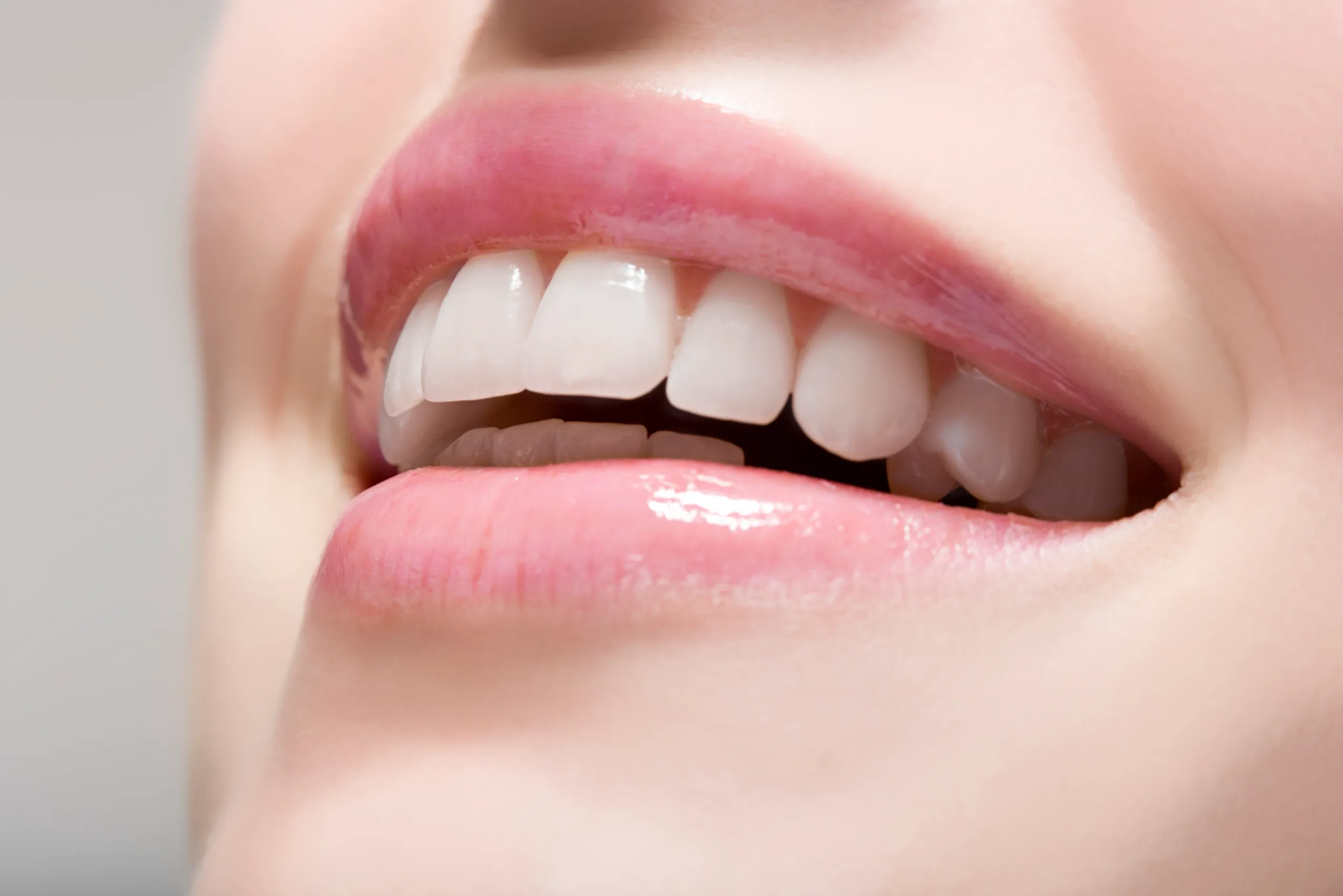
Keep Your Smile Radiant: How Nutrition Supports Teeth Whitening Maintenance
Good nutrition supports more than just appearance. A balanced diet also contributes to healthier gums and stronger enamel.
Calcium, vitamin D, and phosphorus all help support the strength and structure of your teeth. Foods rich in antioxidants may also support gum health, which plays an important role in the overall appearance of a smile.
When enamel stays healthy and protected, teeth are generally less vulnerable to staining and wear.
Too much sugar and acid in the diet Cambridge may lead to plaque build-up and enamel damage, potentially affecting the appearance and colour of teeth. Dealing with Teeth Sensitivity: When to Visit Your Dentist for Relief
From Coffee to Crunchy Greens: The Hidden Link Between Diet and Whiter Teeth
Most people will say teeth whitening maintenance is all about toothpaste or follow-up therapy; however, diet also plays a big part.
Small changes such as drinking additional water, munching on crunchy vegetables and cutting back on exposure to dark beverages can help keep whitening results naturally.
The goal is not perfection. By maintaining those habits, practising good oral hygiene, and making wise dietary choices, most individuals can still enjoy coffee, tea, or the occasional indulgent treat with a gleaming smile.
This effect cannot be purchased from a bottle — it is typically the product of regular dental work, diligent hygiene and eating with care.

FAQs
Q: Can food really affect teeth whitening results Cambridge?
Yes, certain foods and drinks can gradually stain enamel after whitening treatments. Dark beverages, acidic foods, and highly pigmented sauces are common examples.
Q: How long after teeth whitening can you avoid staining foods Cambridge?
Teeth may also be more susceptible to staining in the 24 to 48 hours post-treatment, and most dentists will recommend you restrict foods that are dark or heavily coloured during this time.
Q: Can you drink coffee after whitening your teeth Cambridge?
Not necessarily, but moderation can extend results. It is advisable and better to drink water after consumption and avoid prolonged sips in order to minimise stains.
Q: Which foods are suitable for keeping teeth white Cambridge?
Crunchy fruits and vegetables, dairy products (such as yoghurt), leafy greens, and water are generally regarded as beneficial in maintaining a whiter-looking smile.
Q: Can tooth brushing get rid of food stains?
While it helps remove surface stains with regular brushing, without professional cleaning or maintenance, over time, you may find that deeper staining is occurring.
Q: How do acidic foods affect the colour of teeth?
Excessive acidic foods can erode enamel, resulting in teeth looking more stained or becoming dull over time.